

Beginner’s Guide to Building Credit Score: Practical Steps to Establish and Improve Credit Quickly
For anyone just starting out financially, a credit score can feel like a catch-22: lenders want to see a history of responsible borrowing before extending credit, but building that history requires access to credit in the first place.
The good news is that breaking into the system is more straightforward than it seems, and the habits that build a strong credit profile from scratch are the same ones that maintain it for life.
Understanding how scores are calculated, which actions carry the most weight, and where to start makes the whole process far less intimidating.
Core Principles of Credit Building
Building and maintaining credit requires predictable actions: use credit responsibly, keep balances low, make payments on time, and check reports regularly. Understanding how scores, reports, and time interact helps people prioritise steps that improve creditworthiness.
Understanding Credit Scores and Their Importance
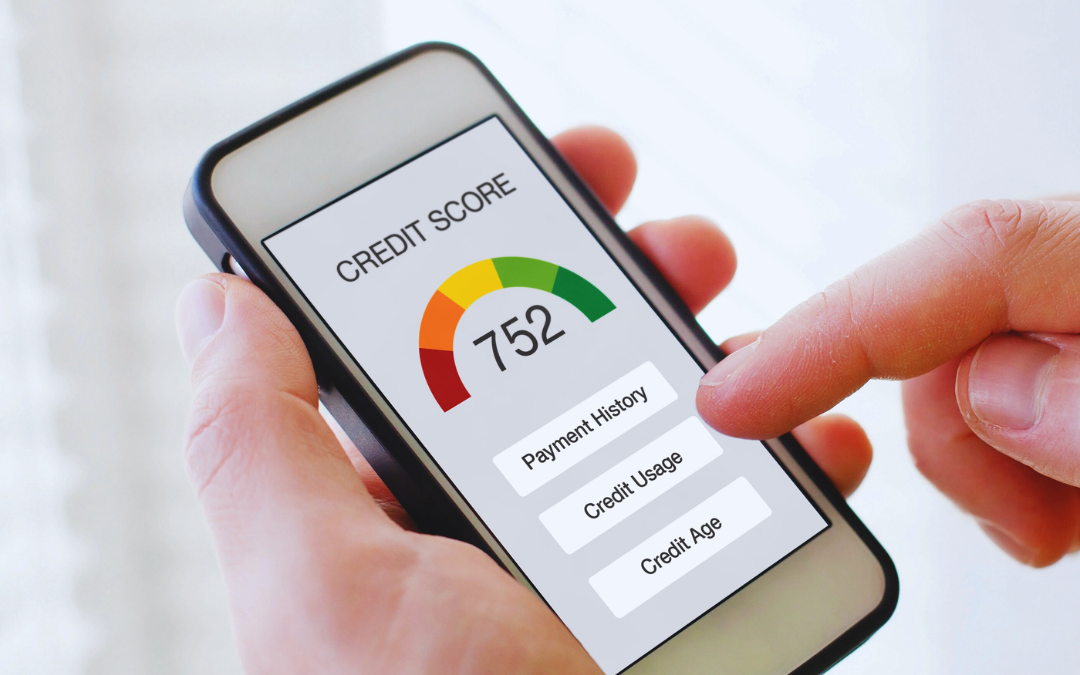
A credit score is a three-digit number lenders use to estimate creditworthiness. The most common models are FICO Score and VantageScore; both range roughly from 300 to 850, with higher numbers indicating lower risk. A good credit score typically sits above 670 on the FICO scale, though exact cutoffs vary by lender and by model.
Scores affect interest rates, loan approvals, insurance premiums, and rental applications. Small point differences can change available interest rates on mortgages, auto loans, and credit cards, so improving a score can produce clear, measurable savings. Regular monitoring of a FICO Score or VantageScore helps detect changes and guide targeted actions.
Credit Reports and Credit Bureaus
Three major nationwide credit bureaus—Equifax, Experian, and TransUnion—collect account histories, public records, and inquiries to produce credit reports. Consumers can request a free credit report once per week from each bureau at AnnualCreditReport.com; that combined access helps verify accuracy and detect identity theft.
A credit report lists accounts, balances, payment history, collection accounts, and recent hard inquiries. Errors on reports can lower a score; disputing inaccuracies directly with the bureau and the creditor can correct records. Consumers should check reports before applying for major credit to fix mistakes and anticipate how new accounts will impact their credit score.
Five Key Factors that Influence Your Credit Score
Credit scores derive from five primary factors with different weights in models like FICO: payment history (~35%), amounts owed (~30%), length of credit history (~15%), new credit/inquiries (~10%), and credit mix (~10%). Payment history carries the most weight; late payments, collections, or charge-offs damage scores significantly.
Amounts owed consider credit utilisation—the ratio of card balances to credit limits. Keeping utilisation under 30% (and ideally under 10%) improves scores. Length of history rewards older accounts and longer average age. Opening multiple accounts in a short time creates hard inquiries and reduces average age, which can lower scores. A diverse mix of instalment and revolving credit can help, but is not required; responsible use matters more than variety.
How Long Does It Take to Build Credit?
Time to build a usable credit score can be as short as a few months if a consumer obtains and uses a tradeline that reports to bureaus. FICO requires at least six months of activity, and some reported accounts to generate a score, so initial progress commonly appears within that window.
Significant improvements take longer: positive payment history accumulates over years, and older accounts benefit from the length-of-history factor. Negative marks like late payments typically remain on reports for seven years; bankruptcies can last up to ten. Consistent on-time payments and low utilisation steadily raise FICO and VantageScore levels, with measurable gains often visible within 6–24 months, depending on starting conditions.
Step-by-Step Beginner Strategies to Build Credit
These steps focus on specific actions: opening the right accounts, using others’ accounts strategically, taking small loans designed to build credit, and adopting payment and usage habits that raise scores over time.
Start with a Secured Credit Card or Student Card
A secured credit card requires a cash deposit that usually equals the credit limit, reducing approval risk for those with little or no history. They report to the three major bureaus (Experian, Equifax, TransUnion), so on-time payments and low balances build a positive record.
Choose cards with low fees and reports to all bureaus; examples often recommended include banks and credit unions that convert to unsecured accounts after responsible use. Keep utilisation under 30% of the credit limit, and ideally below 10% by paying down balances before the statement closing date. Make at least the minimum payment on time every statement to avoid missed-payment damage. After 6–12 months of consistent behaviour, request a credit limit increase or conversion to an unsecured card to lengthen the account’s history.
Become an Authorised User
Being added as an authorised user on someone else’s card lets an account’s full history appear on the new user’s credit file without the authorised user being legally responsible for payments. This works best when the primary holder has a long, positive history, low credit utilisation, and no recent late payments.
Request that the primary cardholder pick accounts that report authorised users to credit bureaus. Confirm the card’s issuer reports history to all three bureaus and that the account has a long, clean record. Avoid accounts with high utilisation or recent derogatory marks. Authorised user status can improve credit mix and length of credit history quickly, but the benefit depends on the primary account’s quality.
Consider Credit-Builder Loans
Credit-builder loans are small, installment loans designed to create oan n-time payment history. Lenders place the borrowed funds in a locked account and report each monthly payment; once paid, the borrower receives the funds. This process establishes a payment history and diversifies types of credit.
Compare terms: look for low origination fees, reporting to all three bureaus, and loan amounts you can comfortably repay. Typical amounts range from $300 to $2,000 with terms of 6–24 months. Set up automatic payments to avoid missed payments and to demonstrate reliability. Successful completion lowers the chance of late-payment marks and supports future access to unsecured credit at lower interest rates.
Develop Good Payment and Credit Habits
Timely payments account for the largest portion of most credit scores, so consistently making on-time payments is the highest-impact habit to adopt. Set up automatic payments for at least the minimum due and schedule reminders for statement closing dates to control reported balances.
Manage credit utilisation by keeping balances low relative to credit limits; target under 30% and preferably under 10% on each card. Monitor credit reports from Experian, Equifax, and TransUnion at least annually and dispute errors promptly. Diversify credit types gradually—credit cards plus one instalment loan—while avoiding unnecessary hard inquiries. Use tools like Experian Boost only after confirming that it helps the individual’s score. Consistent, on-time payments and disciplined utilisation reduce interest costs over time and rebuild credit where needed.