

Camping vs Glamping: Understanding the Differences and Choosing Your Ideal Outdoor Experience
When it comes to outdoor experiences, camping and glamping offer distinct approaches that cater to different preferences. Camping typically immerses individuals in nature, providing a chance to disconnect and enjoy rustic simplicity, while glamping combines the outdoor experience with modern comforts, appealing to those who prefer a touch of luxury.
Both options present unique benefits. Camping fosters a stronger connection with nature, allowing for traditional skills like fire-building and navigation, often leading to a deeper appreciation for the environment. In contrast, glamping provides amenities such as comfortable beds and gourmet meals, making nature accessible without sacrificing creature comforts.
Ultimately, the choice between camping and glamping hinges on personal priorities. Whether one seeks adventure through raw outdoor experiences or desires the elegance of a tailored escape into nature, understanding these differences is key to selecting the right getaway.
The feeling of being out in the wilderness excites people who want to connect with nature. As long as they have the right equipment from flashlights (check out Fenix Lighting for a range) to power banks to help them ensure they have cooked meals, they feel comfortable and safe. Those who love glamping, may be looking to connect with nature too, but in a way that allows them the comforts of home. It depends on the individual as well as the people they are going on this adventure with.
Understanding Camping and Glamping
Camping and glamping offer distinct outdoor experiences that cater to different preferences. Traditional camping often involves a more rugged approach, while glamping introduces comfort and luxury to the outdoor setting. Each option has unique characteristics and appeals to various audiences.
Defining Traditional Camping
Traditional camping encompasses various types, including tent camping, car camping, RV camping, and backpacking. It often focuses on immersing oneself in nature, which involves setting up a tent in remote locations or established campsites.
Camping experiences generally involve minimal amenities, with participants relying on essential gear such as tents, sleeping bags, and cooking equipment. Activities may include hiking, fishing, and outdoor cooking. Popular camping locations range from national parks to scenic forests, where campers can engage with the natural environment.
The Rise of Glamping
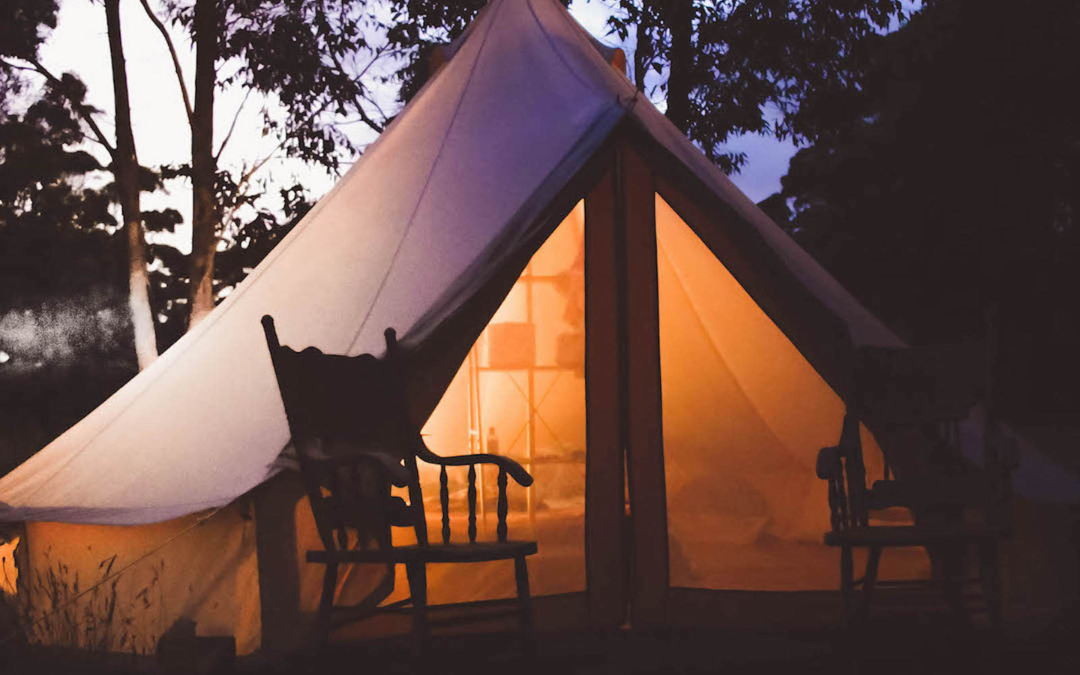
Glamping, or glamorous camping, has emerged as a modern alternative. It blends the love of nature with luxury accommodations such as safari tents, yurts, treehouses, tiny homes, pods, and igloos.
The glamping experience focuses on comfort, offering amenities like proper bedding, electricity, and gourmet meals. This style of camping often takes place in unique settings, from luxury resorts to scenic farm properties. Glamping appeals to those who desire the outdoors without sacrificing comfort, making it an attractive option for a wider audience.
Comparing Amenities and Comfort
Amenities and comfort play a crucial role in determining the camping experience, influencing the preferences of outdoor enthusiasts. Camping typically offers a more rustic experience, while glamping focuses on luxury and convenience. Understanding these distinctions can help individuals choose the best option for their needs.
Amenities in Camping
Camping usually involves basic amenities. Campers often rely on essential facilities, which can include:
- Simple toilet facilities: Often just portable toilets or pit latrines.
- Outdoor showers: These might be cold and limited.
- Cooking facilities: Typically, this means a camp stove or a fire pit.
Comfort can vary significantly depending on the location. Campers may need to pack their own bedding, food, and cooking supplies. Accessibility to clean water and waste disposal is often limited, requiring careful planning. For campers staying at powered sites, having the right Campsite hook up electrics can make it easier to access mains electricity for lighting, small appliances, or charging devices safely and efficiently. Many camping sites do not offer luxurious comforts such as permanent structures or gourmet meals. The focus is on outdoor activities like hiking, fishing, and campfire gatherings, keeping the experience grounded in nature.
Luxury of Glamping Amenities
Glamping elevates outdoor experiences by incorporating luxury and comfort. Many platforms like Greenhill Glamping often provide ample amenities to make your stay fun, adventurous, and comfortable. Typical amenities in glamping sites include:
- Proper toilets and modern plumbing: Ensures hygiene and convenience.
- Private showers: Often hot and spacious, enhancing comfort.
- Fully equipped kitchens: Allows for the preparation of gourmet meals with ease.
Accommodations can range from safari tents to treehouses or yurts, all designed with comfort in mind. Many glamping sites feature luxurious bedding, electricity, and sometimes even air conditioning. The combination of nature with high-end amenities offers a unique experience, making it accessible for those who prefer not to sacrifice comfort while enjoying the outdoors. For a memorable stay, consider exploring yurt options like Beyond Yurt and others. Such services make it easy to enjoy the outdoors without giving up the comforts of home.
Environmental Impacts and Sustainability
The choice between camping and glamping involves careful consideration of environmental impacts and sustainability practices. While both offer recreational benefits, their effects on nature vary significantly.
Camping and Connection with Nature
Camping fosters a direct connection with nature, often promoting awareness and appreciation of the environment. Traditional camping encourages minimal footprint practices, such as using biodegradable products and low-impact camping equipment.
Typical outdoor activities like hiking and stargazing can enhance the camping experience while ensuring that natural areas remain untouched. Campsites, including those managed by organisations like KOA, often implement guidelines to promote sustainable behaviours among campers.
Moreover, camping trips can be designed to minimise waste through careful planning, such as choosing reusable items. This intentional focus on environmental stewardship plays a crucial role in maintaining the health of ecosystems.
Glamping and Its Environmental Considerations
Glamping, while luxurious, typically introduces more significant environmental concerns. Structures such as permanent tents and cabins may require substantial resources for construction and maintenance.
Glamping trips often include amenities that rely on electricity and water, which can lead to higher resource consumption. Managers of glamping facilities may adopt some sustainable practices, such as solar power or waste recycling, but the overall impact remains greater than that of traditional camping.
Additionally, glamping sites may disturb local wildlife habitats due to their more structured nature. Therefore, while they provide a unique experience, it is essential to consider the environmental footprint of glamping when choosing this option.
Evaluating Costs and Accessibility
When considering camping versus glamping, costs and accessibility play crucial roles in decision-making. Both options offer distinct price points and levels of accessibility that cater to different preferences and budgets.
Price Point of Camping Adventures
Camping typically involves lower expenses compared to glamping. Costs vary significantly based on location and facilities. Basic campsites can range from 10 to 30 per night. More developed campgrounds, with amenities like showers and electricity, may charge up to 50 per night.
Additionally, the cost of camping gear can affect overall spending. A tent, sleeping bag, and cooking equipment could amount to several hundred pounds. For those who occasionally camp, renting gear may be a cost-effective choice.
Accessibility is generally good, especially in national parks and rural areas. Most campgrounds are easily reachable by standard vehicles. However, some remote sites may require off-road travel, which could limit access for certain individuals.
Investment in Glamping Excursions
Glamping represents a higher investment with costs that often begin at 100 per night and can exceed 500, depending on the accommodation’s luxury level. Glamping options include yurts, treehouses, and safari tents, which often feature private amenities, comfortable bedding, and unique settings.
While glamping offers greater comfort, it comes at a financial premium. Some glamping sites include activities or meals, which might warrant a higher initial cost but provide added value.
Accessibility is usually excellent, with many glamping sites located near popular attractions or easily reachable by road. This convenience can attract individuals who seek outdoor experiences without sacrificing comfort. While some glamping locations are more remote, they typically provide easier access than traditional camping setups.